Find Out If Solar Makes Financial Sense for Your Home
Receive a free, no-obligation solar assessment with Christian Garzon. Learn how much you could save and whether your home qualifies for solar.
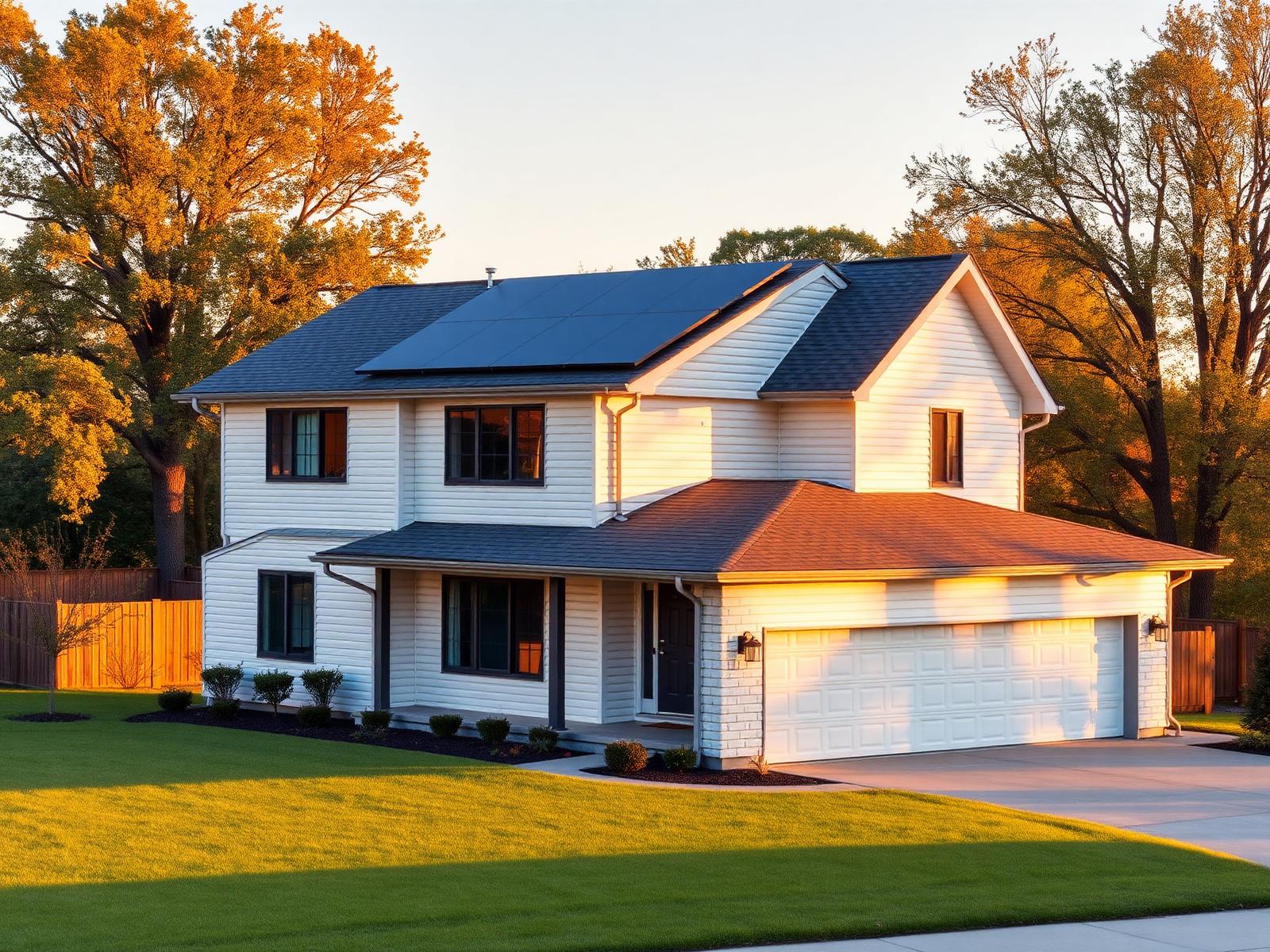
What working with Christian looks like
Personal guidance from start to finish
Christian is an independent residential solar consultant — not a national installer. He works directly with homeowners to make sure solar is the right financial decision, and only recommends moving forward when the numbers genuinely work for your home.
Determine if solar is financially worthwhile
A real look at your utility bill, roof, and usage — not a sales script.
Review your options clearly
Utility rate, monthly usage, and roof fit — explained in plain English.
Evaluate roof suitability
Age, materials, shade, and orientation — reviewed before any decision.
Explore financing options
Cash, loan, and lease compared side-by-side on real ROI, not just monthly payment.
Understand battery backup
Whether battery makes sense for your outage risk and rate structure.
Get honest answers
If solar isn't right for your home, Christian will tell you.
A simple, five-step path
From your first question to a working system — with Christian guiding every step.
- 1
Request your free assessment
Share a few details about your home and current electric bill.
- 2
Christian reviews your property & energy needs
Roof analysis, shade study, and utility usage review — before you ever meet.
- 3
Schedule an in-home consultation
A calm, no-pressure conversation to answer every question you have.
- 4
Receive a customized solar proposal
Real numbers on system size, financing, and payback.
- 5
Professional installation through trusted partners
Vetted local installers execute the plan, with Christian available throughout.
Why Illinois homeowners choose solar
Financial, practical, and long-term — solar can deliver on all three when it's designed right.
Reduce monthly electric bills
Offset most or all of your utility usage.
Protection from rising utility costs
Lock in a predictable energy cost for decades.
Battery backup during outages
Keep essentials running when the grid is down.
Increase home value
Solar-equipped homes often sell faster and for more.
Clean, renewable energy
Reduce your household's carbon footprint every day.
Long-term savings
25+ years of production from a well-designed system.
Energy independence
Produce your own power on your own roof.
An Illinois consultant, not a national salesperson
Christian Garzon is an independent residential solar consultant serving homeowners across Illinois in English and Spanish. He specializes in helping families understand whether solar is a sound financial decision — and only recommends it when it truly is.
Meet Christian
- English & Spanish
- All of Illinois
- Solar + battery guidance
- No-pressure consultations
Learn before you decide
Straightforward answers to the questions Illinois homeowners actually ask about residential solar, batteries, and financing.
Frequently asked questions
Quick answers to the questions homeowners ask most.
What are the benefits of going solar?+
Lower electric bills, protection against rising utility rates, optional battery backup, higher home value, and clean energy — when the system is sized correctly for your home.
How much can I save?+
Savings depend on your utility rate, monthly usage, and roof. Christian's assessment gives you real numbers for your specific home instead of a generic estimate.
How do I know if my roof qualifies?+
Roof age, materials, orientation, and shade all matter. If your roof needs replacement soon, it's often better to do that first — Christian will tell you honestly.
Do panels work in winter?+
Yes. Modern panels actually operate more efficiently in cold temperatures. Illinois winters produce less than summer months, but annual production averages out.
Do they work on cloudy days?+
Yes, at reduced output. Systems are designed around your annual production, not a single day of weather.
How long do solar panels last?+
Most quality panels carry 25-year performance warranties and continue producing power well beyond that, at gradually reduced output.
Will I still receive an electric bill?+
Usually yes, but much smaller. You remain connected to the grid for nighttime and low-production periods; net metering credits offset most of it.
What happens during a power outage?+
Without a battery, grid-tied solar shuts off during outages for utility-worker safety. With a battery, essential loads can keep running.
Should I get battery backup?+
It depends on how often your area loses power, your utility's rate structure, and your budget. Christian will help you weigh it honestly.
Can solar increase my home's value?+
Studies from the Lawrence Berkeley National Laboratory show owned solar systems typically add measurable value at resale.
What financing options exist?+
Cash purchase, solar loans, and (less common in Illinois) leases. Each has different ROI and ownership implications — worth comparing on real numbers.
Can I install solar if my roof is older?+
Possibly. If the roof has less than ~10 years of life left, replacing it first is usually smarter — solar systems are designed to last 25+ years.
What happens if I move?+
Owned solar systems transfer with the home and often help it sell faster. Leased systems require lease transfer, which can be more complex.
How long does installation take?+
Typical residential installations complete in 1–3 days on-site. The full process — from proposal to utility approval and activation — usually takes 2–4 months.
Ready to find out if solar is right for your home?
Receive a free personalized solar assessment with Christian Garzon.